







Key Takeaways
- Choose providers with deep Connecticut knowledge and regulatory expertise.
- Prioritize integrated, scalable security systems for growth and compliance.
- Verify credentials, certifications, and documented support protocols.
- Make sure providers offer regular maintenance and responsive customer service.
- Evaluate training and background checks for all technicians.
- Ask for local references and real-world case studies.
- Avoid vague answers or unclear service commitments from providers.
Choosing the right security services in Connecticut is about more than installing cameras or buying alarms. It is about trusting your people and assets to someone who understands the local risks, regulations, and the daily realities of operating in Connecticut’s schools, offices, factories, and public agencies.
The stakes are getting higher by the day. As incidents of theft, workplace violence, and property crime fluctuate across the state, security is on everyone’s radar. According to the Crime in Connecticut 2024 Annual Report, property crimes (like theft, wire fraud, and vandalism) make up around 70% of Group A crimes in the state.
Whether you run a busy enterprise, a municipal office, or a school district, the right security partner adds a strong layer of safety, compliance, and peace of mind.
In this guide, I break down what “CT security services” really means, what distinguishes top providers, and how you can make confident, informed choices for your organization.
Understanding CT Security Services
CT security services refer to the solutions, systems, and expertise that Connecticut providers offer to help organizations prevent, detect, and respond to physical and technological threats. In Connecticut, these services involveL:
- Initial consultations
- Custom security design
- System installation
- 24/7 monitoring, compliance inspections, and ongoing technical support.
1) Why Local Expertise Counts
Local knowledge matters in security.
Connecticut sees unique weather events, specific building codes, and state-level compliance requirements.
Experienced providers understand what it means to keep a healthcare network in New Haven compliant, manage city surveillance in Hartford, or secure a defense contractor facility in Stamford. A partner with deep Connecticut roots draws on this experience when recommending solutions, designing systems for the New England climate, and meeting state regulations.
2) Sectors Served in Connecticut
Connecticut is home to a wide range of industries, each facing unique security challenges that require highly-targeted solutions. Security needs change by industry. In Connecticut, demand comes from:
- Enterprise businesses needing scalable surveillance and intrusion prevention
- Government agencies requiring UL 2050-certified and GSA-compliant solutions
- Contractors working on secure build sites or infrastructure
- Small businesses safeguarding retail locations or offices
- Educational institutions protecting students across campuses
A capable provider serves all these sectors with compliant solutions.
What Key Features to Look for in Reliable Security Providers
Selecting a partner for your organization’s safety is a significant decision. Trustworthy Connecticut security providers should demonstrate both technical and service aptitudes that keep your organization secure, compliant, and ready to respond to any threat.
1) Integration and Scalability
Modern organizations need security systems that work together.
Look for providers with experience integrating video surveillance, access control, intrusion alarms, and environmental detection into a cohesive platform. The ability to start with what you need now and expand later is vital, especially as risks, locations, or compliance requirements change.
Key integration and scalability capabilities to look for:
- Seamless integration of new devices with existing systems
- Centralized management dashboard for all security components
- Compatibility with third-party hardware and software
- Remote monitoring and control capabilities
- Scalable infrastructure to support additional sites or users
- Cloud-based options for easy expansion and updates
- Automated alerts and reporting across all integrated systems
If your business grows from one site to several or your needs evolve, a good CT security partner will make that transition simple. Ask about prior work with multi-site integration or support for new technologies.
2) Compliance with Standards
In Connecticut, security extends beyond technology. Your systems may be subject to state fire codes, federal privacy rules, Department of Homeland Security standards, and, for high-security environments, UL 2050 certification. Reliable providers keep their teams trained in these standards, with clear records of compliance and ongoing education.
3) What Exactly Does Compliance Mean for Your Security Systems?
CT security services need to follow official rules and best practices that keep people and property safe, based on science and experience.
Standards
Your systems may need to meet state fire codes, federal privacy laws, Department of Homeland Security requirements. UL 2050 certification involves a thorough evaluation for sensitive sites such as government research facilities or defense contractor data centers. The certification is to make sure that security systems for classified or sensitive government information meet federal standards. This includes:
- Secure alarm installation
- Tamper-resistant equipment
- Background-checked personnel
- Documented procedures to prevent unauthorized access.
These standards are built on proven methods for safety and security.
Training
Reliable providers take the time and attention to make sure their teams are trained and regularly updated on the latest regulations and technologies.
Security teams in Connecticut generally receive a mix of classroom instruction, hands-on system operation, emergency response drills, and compliance workshops covering state and federal laws.
Specialized training include:
- Cybersecurity awareness
- Equipment troubleshooting
- Customer service skills
- Scenario-based exercises to prepare for real-world incidents.
Ongoing education means your security staff and partners know exactly what to do, and why it matters.
Verification Methods
Trusted CT security companies document their compliance through certifications, inspection reports, and regular audits. This transparent record-keeping helps verify that your systems are up to code and operating as intended.
Some common verification methods used by Connecticut security services include:
- Issuing third-party certifications (such as UL 2050, NICET, or state licensure)
- Conducting scheduled and surprise internal audits of security procedures
- Providing detailed inspection reports for installed equipment and systems
- Maintaining logs of alarm response times and incident outcomes
- Using checklists for compliance with federal, state, and local regulations
- Performing regular system tests and maintenance with documented results
- Submitting compliance documentation to regulatory bodies for review
- Keeping up-to-date training records for all security staff
Types of Security Systems in Connecticut
Understanding the types of systems used by CT security services is key to asking the right questions and making cost-effective, resilient choices. These include:
1) Video Surveillance
Video surveillance is fundamental for many Connecticut organizations, providing both deterrence and evidence.
Today’s systems offer high-definition cameras, cloud storage, mobile access, and video analytics such as motion detection or facial recognition. For sensitive environments, like financial institutions or government buildings, thermal imaging and long-range analytics may be appropriate.
2) Intrusion Detection
No business wants to discover a break-in after the fact. Intrusion detection systems include door and window sensors, glass break detectors, and panic buttons linked to monitoring centers. These systems should send real-time alerts and support fast police response. Look for solutions customized to your building’s layout and daily operations.
3) Access Control
Access control systems limit who can enter your facility, rooms, or sensitive areas. In practice, this ranges from basic card readers to biometric and mobile credential systems. For many Connecticut enterprises, especially in finance or education, layered access and audit trails are crucial for compliance and peace of mind.
4) Advanced Commercial Solutions
Some organizations in Connecticut need advanced integration: environmental hazard detection, visitor management, and centralized security dashboards. Hospitals, research labs, and data centers often require highly customizable security systems that tie access control, video, alarms, and even environmental monitoring into a single, manageable platform.
5) Fire Alarm Systems
Reliable fire alarm systems are critical for protecting people and property in any Connecticut facility.
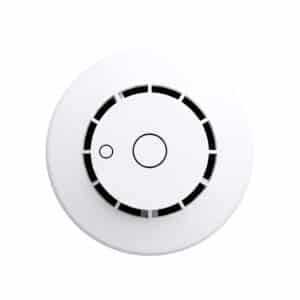
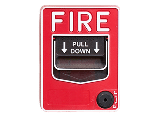
Modern systems integrate smoke, heat, and carbon monoxide detection, with rapid notification to building occupants and first responders. Professional installation guarantees compliance with local fire codes, while ongoing monitoring and maintenance for fast, accurate response to emergencies.
Emerging Threats and Technological Advancements Impacting Connecticut Businesses
Connecticut businesses face many security challenges driven by advancements in technology and changing threats.
Increasing cyberattacks, such as ransomware and phishing, target organizations of all sizes, while physical security threats like sophisticated break-ins and supply chain vulnerabilities are on the rise.
Additionally, the adoption of new technologies, like artificial intelligence for video analytics, cloud-based access control, and integrated cybersecurity-physical security solutions, is transforming how local companies protect their assets. Staying ahead of these trends is crucial for protecting Connecticut businesses against current and future risks.
How to Evaluate CT Security Services
Selecting a security partner is as much about due diligence as it is about technology. Here are the steps I recommend for any organization:
- Compare credentials – Look for certifications like UL 2050, state licenses, and documented factory training from leading brands (such as Axis, Avigilon, or LenelS2)
- Review case studies or references from Connecticut businesses in your sector
- Request documented protocols for response, ongoing testing, and regulatory compliance
- Evaluate support agreements – Does the provider guarantee 24/7 response? Are there clear service level agreements for fixing critical issues?
- Ask about the provider’s in-house staff – Are technicians W-2 employees with regular background checks and advanced training, or is work subcontracted?
- Understand the onboarding and implementation process – Is there a single point of contact and cradle-to-grave management, or will you need to coordinate with multiple vendors?
Assessing Customer Support and Maintenance
Routine maintenance keeps systems healthy and reduces downtime. Your provider should deliver preventive maintenance contracts, regular inspections, and compliance testing relevant to Connecticut’s regulatory landscape.
Check for responsive help desk support, clear escalation paths, and transparency about system health monitoring.
Custom Solutions for Different Organizations
No single system fits all. The best providers in Connecticut start with an on-site assessment to understand your risks and goals, then design solutions that meet your actual needs, not just industry norms.
1) Enterprise and Government Security
Large organizations and government agencies face unique risks and regulatory scrutiny. These entities often need scalable platforms, support for multiple locations, and the ability to meet federal and state standards.
Ask for documentation showing prior delivery in sensitive environments, and confirm the provider is cleared to work on classified or high-security sites.
2) Small Businesses and Educational Institutions
Local shops, offices, and schools may prioritize easy-to-use systems, budget alignment, and strong day-to-day support.
Leading providers offer web-based management tools, remote access, and clear guidance for staff training. For schools, child safety laws and campus lockdown procedures demand experience in educational security.
Questions to Ask Potential Providers
When meeting with prospective security partners, bring this checklist to guide your decision:
- What relevant certifications and local licenses does your company hold?
- Can you provide case studies or references from Connecticut organizations like mine?
- Do you design systems in-house, and will I have a dedicated point of contact?
- How do you handle compliance with state, federal, or industry standards in Connecticut?
- Who performs installation and maintenance? Are all technicians background checked and continuously trained?
- What is your process for emergency response and ongoing support?
- How do you make sure our security infrastructure will grow with our organization?
- Are there clear service level commitments for response time and issue resolution?
- What ongoing preventive maintenance and compliance testing is included?
- Will you help with staff training and post-installation support?
Warning Signs or Red Flags in CT Security Services
- Vague or non-specific answers to credentials or compliance questions
- Outsourced or short-term technicians with unclear training or background screening
- No documented service protocols or unclear support commitments
- Limited or no case studies from Connecticut organizations
As organizations across Connecticut face new safety, regulatory, and operational demands, the right security partnership is more than a transaction. It is a lasting relationship built on trust, reliability, and a shared commitment to protecting people, property, and critical infrastructure.
Getting Started with CT Security Services
When evaluating providers, look for true guardianship: firms that put your safety first, support you at every stage, and provide clear, accountable support from assessment through 24/7 help desk and maintenance.
System uptime, compliance assurance, and a cohesive, end-to-end model should be non-negotiable. The best security infrastructure does more than deter risk; it delivers peace of mind and operational resilience today and for years to come.
Are you interested in integrating a new security system for your property in Connecticut?
Schedule a consultation with Advanced Security Technologies today. Our team works with you throughout the entire process, from choosing the right system to design, installation, and maintenance.
Our Certifications
- GSA Advantage – Multiple Award Schedule (MAS):
AST holds a Multiple Award Schedule from the U.S. General Services Administration, enabling federal, state, and local government agencies to purchase AST products and services through streamlined procurement channels, including the GSA eCommerce website. - UL 2050 Certification:
As a UL 2050 certified provider, AST is authorized to issue UL 2050 certificates and service UL 2050 systems through its CRZH listing with Underwriters Laboratories. This certification is essential for the design, construction, and maintenance of Sensitive Compartmented Information Facilities (SCIFs) and Secure Access Program Facilities (SAPFs), meeting Department of Defense standards for high-security environments. - State of Connecticut Supplier Diversity Program – Small / Minority Business Enterprise:
AST is recognized as a Woman Owned Small / Minority Business Enterprise, helping property owners and contractors fulfill federal, state, and local government set-aside program requirements for construction and security projects. - State of Connecticut Electrical Limited Contractor:
AST is fully licensed as an Electrical Limited Contractor in Connecticut, making sure there compliance with state regulations for the installation and servicing of security and electrical systems.
Frequently Asked Questions About CT Security Services
1) What should I look for in a CT security provider?
Choose a provider with state-specific licenses, documented compliance knowledge, in-house technical expertise, clear service protocols, 24/7 support, and experience in your sector. Look for transparent pricing, strong references from Connecticut clients, and a willingness to customize solutions that fit your changing needs over time.
2) What are must-ask questions during consultations?
Ask about project timelines, staff training and background checks, ongoing service and maintenance, experience with similar organizations, and how they handle compliance. Also ask about technology integration, emergency response protocols, escalation processes, and what guarantees or warranties are included in their service agreements.
3) What are warning signs I should avoid with CT security services?
Beware of vague references, lack of verified local experience, unwillingness to provide staff credentials, or limited service hours. Other red flags include unclear contract terms, no proof of insurance, outdated technology, or pressure tactics instead of a consultative approach.
4) What do security services protect?
Security services protect people, property, assets, and sensitive information from a wide range of threats, including theft, vandalism, unauthorized access, and emergencies. Their goal is to prevent loss, improve safety, and maintain a secure environment through proactive monitoring, access control, rapid response, and adhering to regulatory standards and best practices.
5) What is the role of security services?
The role of security services is to protect people, property, and information from threats like theft, vandalism, cyberattacks, and emergencies. They achieve this through surveillance, access control, alarm systems, and incident response. This helps \ organizations maintain safety and comply with regulations while minimizing risks
6) What are the different types of security services?
Security services include:
- Physical security (guards, patrols, access control)
- Electronic security (video surveillance, intrusion alarms, fire detection)
- Cybersecurity (network protection, data monitoring)
- Specialized services like executive protection or event security.
These services can be customized to specific industries or threats, providing layered protection based on client needs.