







Key Takeaways:
- Hospital security systems need integrated video, access control, alarms and monitoring.
- HIPAA-aware camera policies should cover access, storage, retention and audit logs.
- Zone-based healthcare access control helps protect restricted clinical and administrative areas.
- Visitor management, infant protection and workplace violence systems support safer hospital operations.
- Connecticut hospital security costs can range from $8,000 to $500,000+, based on facility size and integration.
In 2026, hospitals rank among the most demanding security environments. They protect vulnerable patients, secure controlled substances, screen thousands of daily visitors, restrict clinical zones and meet strict HIPAA and Joint Commission rules.
With so many responsibilities operating at once, strong hospital security systems need to support the facility around the clock. Unlike an office that locks at 5 p.m., a hospital never closes, so its security technology cannot either.
Connecticut’s major health systems span New Haven, Hartford, Waterbury, Bridgeport, Norwalk and Danbury. Across these locations, healthcare facilities face similar pressures, from protecting patient privacy and staff safety to meeting regulatory requirements while keeping public access available 24/7. When one part of the security setup falls short, it can affect the facility as a whole.
That is why working with a Connecticut security integrator that understands healthcare environments is essential. The right partner can connect each layer into one coordinated system, including access control, video surveillance, alarm monitoring and managed monitoring. These technologies can be designed around HIPAA considerations and the specific needs of clinical environments.
This blog walks through the full technology stack, compliance rules, placement strategy, cost ranges and the questions healthcare buyers ask most.
What Security Systems Do Hospitals and Healthcare Facilities Use?
Healthcare security cannot be defined as one product. It is an integrated set of systems where every component shares data. A well-designed healthcare security system connects video, access control and alarms so a single event can trigger a coordinated, facility-wide response.
Here is the core stack most Connecticut hospitals rely on:
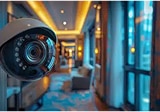
- Video surveillance: IP cameras across clinical and non-clinical areas, with HIPAA-aware placement.
- Access control: Credential-based entry for restricted zones like pharmacy, operating rooms, the NICU and server rooms.
- Visitor management: Badge printing, ID verification, offender screening and visit logging.
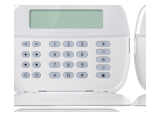
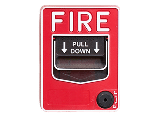
- Alarm and intrusion detection: After-hours perimeter protection plus panic and duress buttons for staff.
- Infant protection systems: Anti-abduction technology for maternity wards.
- Emergency communications: Mass notification, code blue systems and duress alarms.
- Managed monitoring: 24/7 central station coverage for alarms and video.
HIPAA and Security Cameras: What Connecticut Healthcare Facilities Must Know
HIPAA does not prohibit security cameras in healthcare facilities. It requires that any video surveillance that may capture protected health information be managed in accordance with the Privacy Rule.
Where Cameras Belong and Where Policy Applies
Cameras are appropriate in building exteriors, lobbies, parking lots, hallways, waiting areas, nursing stations outside patient care and medication storage rooms. More sensitive spaces, such as patient rooms, exam rooms, treatment areas and bathrooms, require careful policy because patient consent and privacy rights apply there.
What HIPAA Compliance Requires
For HIPAA-compliant cameras, compliance centers on how video footage is stored, accessed and managed. Key requirements include:
- Role-based access to video, so only authorized staff can view recordings.
- Audit logs that track who accessed footage and when.
- Encrypted storage to protect recorded video.
- Written policies that define how long footage is retained.
- Business Associate Agreements with any cloud provider handling protected data.
Platforms like Rhombus and Axis support encrypted cloud storage, role-based access and audit logging, making HIPAA-aware configurations easier to implement. Modern healthcare video surveillance should also involve a Privacy Officer from the start, particularly when deciding where cameras should be placed.
Access Control for Connecticut Hospitals and Healthcare Facilities
Access control is a key part of healthcare security. Strong hospital access control helps protect controlled substances, sterile fields and patient records while allowing authorized staff to move through the facility efficiently.
Several areas make reliable credentialing essential, including:
- Medication storage: DEA requirements call for controlled access to Schedule II through V substances.
- NICU and maternity: Infant protection protocols rely on badged staff access to restricted areas.
- Surgical suites: Protecting sterile fields requires credential verification at each entry point.
- Server rooms and EHR infrastructure: HIPAA technical safeguards include physical access controls for systems and equipment.
- Administrative areas: Records, billing and human resources contain sensitive information that requires restricted access.
According to the 2026 Hospital Construction Survey results, 70% of hospitals involve security in surveillance and alarm placement, but only 55% involve them during design planning. That is why it is important to think about security in the early stages to avoid costly changes later.
Zone-by-Zone Access Control Strategy for Connecticut Hospitals
A layered plan assigns credentials based on the level of risk in each area. Well-planned healthcare access control typically covers these five zones:
- Public zones: Lobbies, waiting rooms and cafeterias. Open access with camera coverage and visitor management.
- Semi-restricted zones: Administrative offices, imaging and outpatient areas. Staff badge access.
- Restricted zones: Operating rooms, ICU, NICU, pharmacy and labs. Role-based credentials for authorized clinical staff.
- High-security zones: Medication storage, server rooms and records vaults. Biometric or multi-factor authentication.
- Executive and administrative core: Separate credentialing for executive and administrative staff.
Pro Tip: When evaluating access control systems for hospitals, consider platforms such as Avigilon Alta access control for cloud-native, HIPAA-aware control, Alocity for biometric access, HID for enterprise credentials and LenelS2 OnGuard for large hospital environments.
Hospital Security Cameras: Placement, Technology and Compliance
Camera coverage across a Connecticut hospital campus should be guided by risk, not convenience. When hospital surveillance cameras are placed with intention, they turn raw footage into useful evidence and help teams respond faster.
Emergency Department
The emergency department is the highest-risk area in any hospital. It stays open 24/7, runs high-stress and sees frequent agitation. Coverage should include triage, the waiting room, the ambulance bay and staff areas. Integrate cameras with panic and duress buttons at nurse stations, and add AI behavior analytics to flag escalating situations early.
Parking Structures and Exterior
Hospital campuses carry large, layered parking footprints. Use license plate recognition cameras for vehicle tracking and perimeter cameras for after-hours deterrence. Place code blue call stations at parking intervals and connect them to emergency communications systems.
Pharmacy and Medication Storage
High-resolution cameras should cover all dispensing points and controlled substance storage. Tie video to access control so the camera records who enters while the panel records when and with which credential. Together, they create a more complete record of access to controlled substance areas that can support security reviews and compliance documentation.
Administrative and Records Areas
Cover records storage, billing and human resources offices. Camera and access integration keeps HIPAA access logs complete, and remote monitoring adds after-hours coverage.
Maternity and NICU
Infant protection systems integrate with access control, so a security alert can lock doors automatically. Cameras watch every entry and exit point, and wander detection adds another layer against abduction.
Visitor Management for Connecticut Healthcare Facilities
Modern hospital visitor management goes beyond a paper sign-in sheet. A strong platform verifies identity, controls access and creates a clean record.
Some of the core capabilities include:
- Government ID scan and verification.
- Real-time sex offender registry checks.
- Printed badges with photo, expiration time and authorized zone.
- Visit logs tied to the patient record.
- Automatic badge deactivation on departure.
Integrating access control makes a visitor management hospital program more practical by giving visitors access only to the areas they need, such as a patient’s wing, while keeping surgical suites, pharmacies and other restricted areas off-limits. As hospitals have adopted these platforms to support infection control, many older systems remain due for an upgrade.
Workplace Violence Prevention in Connecticut Healthcare Settings
Emergency and behavioral health units can present some of the highest staff safety risks in a hospital, making security technology an important part of workplace violence prevention.
An integrated response can include:
- Panic and duress buttons at every nurse station and exam room, with both wired and wireless options.
- Real-time alerts sent directly to security staff mobile devices.
- Camera monitoring in behavioral health waiting areas.
- Access control that keeps patients out of staff-only areas.
- Mass notification for facility-wide lockdowns or code announcements through systems like Alertus and Code Blue.
The Joint Commission expects hospitals to maintain formal workplace violence prevention programs, and documented security technology can support these requirements during a survey.
Managed Security Services for Connecticut Hospitals
Hospital security teams can be stretched thin by the size and pace of daily operations. Managed coverage can help support existing teams without requiring additional headcount.
A healthcare managed program typically includes:
- 24/7 UL-listed central station alarm monitoring.
- Remote video monitoring for after-hours clinical and parking areas.
- System health monitoring with alerts when cameras or other devices need attention.
- Scheduled inspection and testing.
- Software and firmware updates.
- A dedicated customer success manager.
This model can shift security costs from a capital budget to a more predictable monthly operating expense. For Connecticut health systems managing tight budgets, that can make ongoing system maintenance easier to plan.
Pro insight: A closer look at managed security services and preventive maintenance contracts shows how scheduled testing can support long-term system performance.
How Much Does a Hospital Security System Cost in Connecticut?
Healthcare security pricing varies based on facility size, security requirements and the level of system integration. Here are some of the factors that can affect the total cost:
- Facility size, including square footage and number of buildings.
- Number of access control doors.
- Number of interior and exterior camera locations.
- Visitor management system complexity.
- Infant protection system requirements.
- Alarm and monitoring enrollment.
- Integration with existing hospital IT and EHR infrastructure.
- Ongoing managed services enrollment.
Based on these factors, typical Connecticut healthcare security costs can fall within the following ranges:
- Small medical practice with 5 to 10 cameras and basic access control: $8,000 to $20,000.
- Mid-size medical office building with 20 to 40 cameras, full access control and visitor management: $30,000 to $75,000.
- Community hospital with 100-plus cameras, enterprise access control and full integration: $150,000 to $500,000 or more.
- Large health system campus: Custom design and quote.
Since every healthcare facility has different security needs, a facility assessment can help determine where to invest first. AST provides free facility assessments for Connecticut healthcare organizations, with a phased plan based on your budget and compliance requirements.
Why Connecticut Healthcare Facilities Choose AST
Connecticut healthcare facilities have different security requirements based on their size, layout and patient care needs. AST supports these environments with:
- Authorized dealer status for Avigilon, Axis, Alocity, HID, LenelS2 and Rhombus, with solutions suited to healthcare environments.
- HIPAA-aware system design that considers camera placement, video storage policies and BAA-ready platforms.
- UL 2050 certification for government and high-security healthcare environments, including VA facilities and federal health centers.
- GSA Advantage Schedule access, allowing federally funded healthcare organizations to procure directly.
- A Connecticut-based team headquartered in Shelton, serving New Haven, Hartford, Fairfield and surrounding counties.
- 24/7/365 technical support and managed monitoring.
- Free facility assessments with a phased plan and no prior commitment required.
Frequently Asked Questions About Hospital Security Systems in Connecticut
What security systems do hospitals use?
Hospitals use an integrated set of systems. That includes video surveillance, access control, visitor management, alarm and intrusion detection, infant protection, emergency communications and 24/7 managed monitoring. These layers share data so one alert triggers a coordinated response across the facility.
Are security cameras allowed in hospitals?
Yes, security cameras are allowed in hospitals. Public and operational areas like lobbies, hallways, parking and medication storage are appropriate for coverage. Clinical spaces such as patient and exam rooms require additional privacy consideration, careful placement and policies governing how footage is captured, accessed and used.
Do hospital security cameras have to be HIPAA compliant?
Yes, when footage may capture protected health information, the HIPAA Privacy Rule applies. Compliance means encrypted storage, role-based access and audit logs of who viewed footage. When a cloud video provider creates, receives, maintains or transmits protected health information on behalf of the healthcare organization, a Business Associate Agreement may also be required.
What access control do hospitals typically use?
Hospitals use zone-based credentialing matched to risk. High-security areas like medication storage and server rooms use biometrics or multi-factor authentication. Access control also integrates with visitor management and supports DEA compliance for pharmacy areas.
How do hospitals prevent infant abduction?
Hospitals use infant protection systems tied into access control. A security alert can lock doors automatically at maternity and NICU entry and exit points. Cameras monitor those doors and wander detection adds an extra warning layer.
How much does a hospital security system cost in Connecticut?
Cost ranges by facility size and integration depth. A small practice may start around $8,000, a mid-size medical office runs $30,000 to $75,000 and a community hospital can reach $150,000 to $500,000 or more. A free facility assessment gives a phased plan matched to budget.
Final Thoughts
Connecticut healthcare facilities need security systems that fit clinical workflows, privacy requirements and the demands of a facility that operates around the clock. AST provides security design, installation and ongoing support for healthcare organizations across New Haven, Hartford, Waterbury, Bridgeport, Norwalk and Danbury.