








Key Takeaways
- Modern fire detection has moved far beyond basic smoke alarms. Now, they use sensors and data to catch danger earlier.
- Smart detectors reduce false alarms and help facilities respond faster.
- New systems analyze air quality, heat signatures, and movement patterns to detect risk before flames spread.
- Connected platforms give building managers real-time visibility across multiple locations and make emergency response smoother.
- Connecticut facilities benefit from updated codes, better hardware, and stronger local support for advanced fire-life-safety systems.
Most modern buildings rely on smart systems such as automated HVAC systems, controlled access, and real-time monitoring. Yet when you look at how many still rely on old fire detection and fire alarm systems, it feels like the clocks stopped somewhere around the early 2000s.
Any setup that only reacts once there’s visible smoke or open flame is already several steps too late. If a sensor tucked behind a ceiling tile is the only thing standing between you and a full-scale emergency, it should be able to detect early-stage combustion, monitor environmental changes, and coordinate with your ventilation, security, and communication systems in real time.
Fortunately, fire-life-safety technology has made huge strides over the past decade. Modern detection systems evaluate air quality, heat signatures, movement patterns, and other data points to identify problems earlier and respond with more accuracy.
In this post, we’ll look at what’s new in fire detection and fire alarm system technology, and why these upgrades matter for Connecticut buildings.
What’s New in Fire Detection Technology?
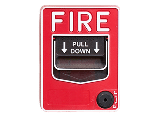
Back in the day, fire safety tech mostly comprised smoke detectors, heat sensors, and manual pull stations. While these tools were helpful, they were primarily designed for simpler buildings and slower-moving risks.
Commercial spaces are more complex now. With more equipment, people, and moving parts, safety expectations are higher across the board.
Fire detection systems have risen to the occasion. Today’s setups use AI, smart sensors, and wireless networks to catch threats earlier, respond faster, and give building managers better control.
Let’s break down some of the newer fire safety technologies making a difference in today’s buildings.
1) Multisensor Detectors
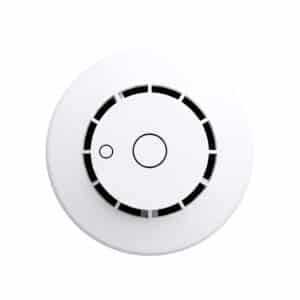
Modern detectors measure multiple parameters simultaneously, including smoke levels, temperature changes, gas concentrations, particle size, and airflow patterns. When these signals point in the same direction, the system knows something is off.
Typically, multisensor detectors help:
- Spot issues sooner
- Reduce false alarms from steam or dust.
- Adjust to different environments inside the same building.
They’re best used in busy spaces, manufacturing areas, and anywhere with inconsistent air quality.
2) Air Sampling Systems
Also called aspirating smoke detectors, these systems continuously draw in air from across the building and test it for early signs of combustion, well before there’s visible smoke.
They’re incredibly sensitive and ideal for hospitals, clean labs, server rooms, or other facilities that can’t afford downtime.
3) Thermal Imaging Sensors
Thermal sensors act like a permanent heat map for your building. They watch for temperature spikes in areas where airflow might be limited, such as above ceilings, inside walls, or around electrical equipment.
They’re especially useful for:
- Catching overheating before it turns into ignition
- Monitoring mechanical rooms
- Spotting wiring problems early
Heat sensors provide visibility in areas your regular sensors might miss.
4) AI-Powered Detection
Artificial intelligence is now helping fire detection and fire alarm systems make better decisions.
AI tools can analyze patterns in air quality, heat distribution, or sensor behavior to identify subtle signs of risk that a traditional system might miss. For example, if a particular zone starts showing a gradual increase in heat every afternoon, the system can recognize that as out of the ordinary and send a pre-alert before things escalate.
AI also helps your system tell the difference between a real threat and harmless noise, so you don’t waste time chasing false alarms.
5) Built-In System Integration
Modern detection systems can talk to the rest of your building’s safety and mechanical systems. When something triggers an alert, the system can take several actions automatically, such as:
- Shut off the HVAC to stop the smoke from spreading
- Unlock access control doors
- Redirect elevators
- Notify emergency responders with accurate location details
- Trigger voice evacuation messages
All of this happens without anyone running around flipping switches.
6) Cloud-Based Monitoring
Cloud access lets you check your fire detection and fire alarm system from anywhere. It’s especially useful for operators with multiple locations or large campuses.
With cloud access, you can see alerts the second they come in, track system performance, review logs for inspections or audits, and identify repeat trouble spots. It simplifies day-to-day oversight and helps you stay one step ahead.
Why Do Connecticut Facilities Need Upgraded Fire Detection?
Connecticut has a bevy of historic downtown properties, state-of-the-art research labs, and more. Given the stricter regulations and changing risks in these properties, older systems often aren’t up to the job.
Here’s why upgrades are important across the state:
1) Aging Infrastructure
Plenty of Connecticut buildings still rely on older panels and basic single-sensor detectors. These systems react more slowly, trigger more false alarms, and don’t support features like device-level reporting or remote monitoring.
2) Code Requirements Keep Getting Tighter
Local fire codes now call for smarter reporting, detailed logs, and system health checks. If your current setup can’t deliver this data, you’ll run into trouble during your next inspection.
3) More Complex Buildings
Most of Connecticut’s specialized facilities house sensitive materials, tightly controlled environments, and people who can’t always evacuate quickly. These spaces need faster, more adaptive fire detection.
4) Weather and Power Issues
Between outages, surges, and the Northeast’s seasonal extremes, your system needs to hold steady no matter what’s happening outside. Older systems are more vulnerable to interruptions. Newer ones are designed with built-in backup power, better resilience, and smarter fault detection.
5) Pressure from Insurers
Insurers now look closely at your building’s risk posture. Upgraded fire detection and fire alarm systems may earn you better coverage, lower premiums, and less hassle when it’s time to renew.
What Advantages Do Connected Fire Detection Platforms Offer?
Connected fire detection platforms make it easier to run your system and stay ahead of issues, rather than constantly playing catch-up. Here’s what they bring to the table.
1) Real-Time Monitoring
With connected platforms, you can see the status of every device in your building (or across multiple sites) from your phone or laptop at any time. There’s no need to wait for a phone call or a manual check.
2) Faster Service Calls
When your system records detailed sensor data, technicians don’t have to show up and start from scratch. They can review the alerts ahead of time, figure out which device is acting up, and walk in with the right tools and a clear plan. It solves the problem much faster.
3) Automatic Reporting
The system automatically records every alarm, test, maintenance event, and device performance check, so you never have to track anything manually. Everything is organized and stored for you.
4) Reduced Downtime
The platform flags problems early by calling out dirty, damaged, or disconnected sensors. Essentially, this lets you schedule repairs before they interrupt your system.
Ready to Upgrade Your Fire-Life-Safety Setup?
Today’s fire detection and fire alarm system technology catches issues earlier, improves communication, and helps your team respond faster. If your current setup feels outdated, or you’re not sure what’s missing, it’s a good time to take a closer look.
At Advanced Security Technologies, we’ll walk your site, review your current system, and recommend upgrades matched to your building’s needs, layout, and code requirements.
Contact us to schedule your consultation today. We’re here when you’re ready to move forward.
Frequently Asked Questions:
1) How do I know if my fire detection system is outdated?
If your system relies on single-sensor smoke detectors, lacks real-time monitoring, or hasn’t been updated in over a decade, it’s likely outdated. A professional inspection can help you identify specific gaps and upgrade priorities.
2) Can upgraded fire detection systems reduce insurance costs?
Yes. Many insurers offer premium discounts or better coverage terms for buildings with modern fire-life-safety systems. It shows proactive risk management, which can lower liability and reduce claims related to fire damage or business interruption.
3) Will upgrading my system disrupt day-to-day operations?
In most cases, no. Many upgrades can be phased in without full shutdowns. A qualified installer will plan around your schedule and minimize downtime during installation or system switchover.