








Key Takeaways:
- Retail security camera systems combine cameras, video analytics, access control and alarms to help Connecticut stores reduce theft and shrinkage.
- Strategic camera placement at entrances, POS areas, sales floors, stockrooms, parking lots and cash offices improves coverage and evidence quality.
- AI-powered analytics can detect behaviors such as loitering, concealment and unusual dwell times in real time.
- Connecticut retail security camera systems can range from $3,000 to $7,000 for small boutiques to $25,000 to $60,000+ for large-format stores, depending on system size and features.
- AST provides retail security camera design, installation, monitoring and support across Connecticut, with solutions for both single locations and multi-store operations.
Retail theft remains a costly challenge for stores across the country, and Connecticut retailers face many of the same pressures. From boutiques in Westport to big-box locations in Meriden, shrinkage can come from shoplifting, employee theft and organized retail crime.
This is where a well-designed system of retail security cameras can help. It does more than record after the fact. It deters theft, protects staff and gives loss prevention teams the evidence they need to act.
This blog walks through how modern loss prevention systems work, where cameras belong in a store, what technologies fit retail environments and what a system costs in Connecticut.
What Is a Retail Loss Prevention System?
A retail loss prevention program combines people, processes and technology to reduce shrinkage from external theft, internal theft and administrative error. It is not a single device. It is a coordinated setup that connects trained staff with the tools that catch and deter loss.
A modern loss prevention system usually includes these layers:
- IP security cameras, both interior and exterior, covering entrances, sales floors and back rooms
- Video management software (VMS) with retail analytics for people counting and behavior alerts
- Access control for stockrooms, cash offices and server rooms
- Alarm and intrusion detection for after-hours protection
- Remote monitoring or managed security so events get eyes in real time
Where to Place Security Cameras in a Connecticut Retail Store
Camera placement can determine whether footage provides useful evidence or leaves critical gaps. Each zone in a security camera retail store layout calls for a specific camera type and angle.
Here is how to cover the areas that count most:
Store Entrance and Exit
The entrance is the first and last touchpoint for every customer, so it is the best place to identify suspects entering and confirm events near checkout.
Wide-angle or fisheye cameras provide complete doorway coverage. For larger locations, license plate recognition (LPR) cameras aimed at the parking lot add another layer of identification.
Point of Sale (POS) / Checkout
Overhead and angled cameras should cover register screens, cash drawers and the transaction area so transactions stay visible.
This visibility deters customer theft and “sweethearting,” where an employee undercharges a friend. High-resolution footage lets staff read receipt-level detail during disputes or investigations.
Sales Floor and Aisles
Place end-cap cameras at high-shrink zones like electronics, cosmetics, alcohol and razors.
Dome cameras provide broad coverage, while their concealed design reduces tampering. AI analytics can flag loitering, unusual dwell time and concealment gestures before an item leaves the floor.
Stockroom and Receiving
Back rooms are a primary vulnerability. Pair a camera with access control so only authorized staff enter, every entry is logged and all activity is recorded.
Together, those records discourage quiet losses that add up over a season.
Parking Lot and Exterior
Exterior cameras can deter organized retail crime groups from casing a location. LPR cameras then capture plate numbers while perimeter cameras document getaway vehicles and outside activity.
This footage also supports liability documentation for slip-and-fall or related dispute claims.
Cash Office and Safe Room
The cash office is the highest-value target in any store, so use a dedicated camera with a tamper-resistant mount.
Add access control with a biometric or PIN entry so every visit is time-stamped, then integrate the room with the alarm panel for coverage.
Retail Security Camera Technologies for Loss Prevention
The tools inside a modern retail security system decide how protected a store can remain. Here are some of the technologies that fit retail best:
AI-Powered Video Analytics
Modern cameras analyze behavior in real time rather than simply recording it. These capabilities support retail analytics such as people counting, dwell time alerts, queue management, concealment detection and after-hours intrusion zones.
Retail platforms increasingly focus on gesture and behavior detection, a segment holding 27% of the AI video analytics market, instead of facial recognition. These analytics are available through retail-ready solutions from brands like Axis, Avigilon and Rhombus.
High-Definition and 4K Cameras
Retail evidence needs facial and product-level clarity, which is where 4K cameras add value. Their higher resolution helps identify individuals and confirm exactly which product a person touched, giving retailers clearer evidence for prosecutions and insurance claims.
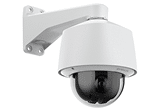
For large floor spaces, PTZ (pan-tilt-zoom) cameras complement this coverage by allowing one unit to monitor wide areas.
Cloud-Based Video Management
Cloud VMS removes the need for an on-site server by storing footage securely offsite while keeping it accessible from anywhere. This allows loss prevention managers to review clips remotely, share evidence with law enforcement and oversee several Connecticut stores from a single login.
For retailers using this setup, cloud-native Rhombus cameras offer a strong option, while comprehensive video surveillance services bring the entire system together.
Integrated Alarm and Access Control
A complete system connects cameras, alarms and access control systems on one platform, allowing each component to work together.
When an alarm triggers after closing, connected cameras can verify the event before dispatch, helping reduce false alarm fees and support faster law enforcement response times.
Retail-Specific Loss Prevention Challenges in Connecticut
Connecticut stores face pressures that national advice rarely addresses. Local corridors, franchise density and seasonal swings can all shape how a store plans its coverage.
- Organized retail crime can affect Connecticut’s major retail corridors and shopping destinations, including areas around Norwalk, Trumbull and West Hartford. Because coordinated theft can involve multiple people and vehicles, camera coverage should extend across exits, parking areas and loading zones.
- Franchise and multi-location management is common along the Interstate 95 and Route 1 corridors. With multi-site VMS platforms, a loss prevention manager can monitor every location from a single dashboard.
- Staffing and employee theft can create credential headaches as retail turnover remains high. Access control with automatic deactivation when an employee leaves helps keep credentials current.
- Seasonal surges during the holidays, back-to-school season and summer shoreline tourism can also change coverage needs. Scalable camera plans allow stores to expand coverage during peak periods and scale it back afterward.
How Much Does a Retail Security Camera System Cost in Connecticut?
The price of retail security camera systems depends on several variables, such as:
- Square footage and number of camera locations
- Indoor versus outdoor cameras, since outdoor units cost more
- Resolution, HD versus 4K
- Cloud VMS versus on-premise NVR or DVR
- Access control integration for stockrooms and cash offices
- Number of locations, with multi-site discounts available
- Remote monitoring or managed service enrollment
Connecticut Installed Pricing Ranges
Installed pricing also scales with store size and system complexity, for example:
- Small boutique (4–8 cameras, basic VMS): $3,000–$7,000
- Mid-size retail (10–20 cameras, analytics and access control): $10,000–$25,000
- Large-format or anchor retail (30+ cameras, full loss prevention integration): $25,000–$60,000+
- Multi-location managed program: Custom quote
In a nutshell, a small boutique with a handful of cameras and basic video management sits at the low end. A mid-size store adding analytics and access control lands in the middle range. Large-format or anchor retail with full loss prevention integration reaches the top range, while multi-location managed programs are priced by custom quote.
Pro tip: The best way to get an accurate number for your store is a free site assessment, where a designer maps camera placement and provides a quote at no cost.
Why Connecticut Retailers Choose AST for Security Camera Installation
Connecticut retailers can benefit from working with a local security camera installer (like AST) that understands their coverage and service needs. They can get:
- An authorized dealer for Axis, Avigilon and Rhombus, including proven Axis camera systems
- Free system design with a camera placement plan at no cost
- Shelton, Connecticut headquarters for local installation, service and support
- 24/7/365 technical support and monitoring
- Multi-location management through one security partner
- GSA Schedule access for government-adjacent retail and facility contracts
From small-format stores to large retail locations, AST designs security systems based on each property’s layout and operational needs. Our small business security solutions can also help independent retailers implement professionally planned protection with support from a local Connecticut team.
Frequently Asked Questions About Retail Security Cameras in Connecticut
What security cameras do retail stores typically use?
Most retail stores use IP dome cameras for broad sales-floor coverage and PTZ cameras for large open areas. LPR cameras cover parking lots, and AI analytics cameras watch high-shrink zones for concealment and loitering.
Where should security cameras be placed in a retail store?
Cameras belong at every entrance and exit, over each point-of-sale register, along sales-floor aisles, inside the stockroom, across the parking lot and inside the cash office. These zones capture the moments most tied to theft and liability.
How does a retail loss prevention camera system work?
The system detects and records activity through IP cameras, then applies analytics to flag suspicious behavior in real time. Alarm and access control events tie into the same platform, so a triggered alarm brings up verified video. Managers can review footage remotely and share clips with police.
How many cameras does a retail store need?
The count depends on store size and layout, with small boutiques needing far fewer units than mid-size or large-format stores. A free site assessment gives an exact number based on the floor plan and risk zones.
Can retail security cameras integrate with alarm and access control systems?
Yes. A unified platform links camera events, stockroom and cash-office access logs and intrusion alarms. That integration lets one triggered event pull the matching video for faster verification.
How much does a retail security camera system cost in Connecticut?
Costs vary with store size, camera count, resolution, outdoor coverage and monitoring level. A small boutique sits well below a large-format store with full integration. A free quote can give you an accurate figure for a specific store.
Does a local installer cover retail security camera systems statewide in Connecticut?
Yes. As an authorized dealer for leading retail brands, a local installer can cover stores statewide, including New Haven, Stamford, Norwalk, Trumbull, Meriden and Waterbury.
Final Thoughts
Whether you are protecting a single boutique in Westport or managing loss prevention across a chain of Connecticut stores, AST designs and installs retail security camera systems that help deter theft, protect employees, and provide the evidence you need.