








Key Takeaways
- A commercial fire alarm system includes detection devices, notification appliances, a fire alarm control panel (FACP), central station monitoring, and suppression integration working as one connected platform.
- Commercial systems use addressable technology that pinpoints the exact device triggering an alarm, unlike residential smoke detectors that only sound a local alert.
- NFPA 72 requires annual inspection and testing of all major fire alarm components, with semiannual testing for batteries and waterflow devices.
- Connecticut adopts the State Fire Safety Code, which references NFPA standards for commercial fire alarm installation, inspection, and maintenance.
- UL-listed central station monitoring connects your fire alarm to a staffed facility 24/7, meeting insurance and code requirements that self-monitored systems cannot.
- AST installs, inspects, and monitors commercial fire alarm systems across Connecticut from its Shelton, CT headquarters.
If you’re responsible for fire safety in a commercial building, you already know a residential smoke detector won’t cut it. What you may not realize is how many components a commercial fire alarm system has, or how specific the inspection requirements are.
The numbers make the case for getting this right. According to the U.S. Fire Administration, roughly 110,000 nonresidential building fires occurred in 2023, causing $3.16 billion in direct property damage. That figure doesn’t include business interruption, liability exposure, or operational downtime.
In this post, you’ll learn:
- What a commercial fire alarm system includes and how each component works
- How commercial systems differ from residential smoke detectors
- How often fire alarm inspection and testing are required under NFPA 72
- Why professional installation and monitoring protect your business better than a DIY setup
What Does a Commercial Fire Alarm System Include?
A commercial fire alarm system is not a single device. It’s a platform with five core components that detect fires, alert occupants, notify responders, and tie into suppression systems.
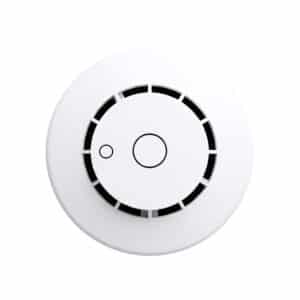
- Detection devices: Smoke detectors, heat detectors, and duct detectors sense fire conditions. Commercial systems use addressable detectors, meaning each device has a unique address that tells the control panel which unit triggered and where.
- Notification appliances: Horns, strobes, and speaker systems alert occupants to evacuate. Commercial buildings require visible and audible notification on every floor and in every occupied area.
- Fire alarm control panel (FACP): The FACP is the brain of the system. It receives signals from every detector, activates notification appliances, communicates with the monitoring station, and logs every event.
- Central station monitoring: A UL-listed monitoring center receives alarm signals 24/7 and dispatches emergency services. Most commercial insurance policies and fire codes require this level of monitoring.
- Suppression system integration: The fire alarm ties into sprinklers, clean agent suppression, or kitchen hood systems to trigger automatic response when conditions warrant it.
How Is a Commercial Fire Alarm System Different from Residential?
A residential system is designed to wake you up. A commercial system protects an entire building, coordinates with emergency services, and documents every event for compliance.
| Factor | Commercial Fire Alarm System | Residential Smoke Detector |
| Detection technology | Addressable devices with unique location IDs | Standalone detectors with local-only alerts |
| Notification | Building-wide horns, strobes, and speakers | Single-unit alarm sound |
| Monitoring | 24/7 UL-listed central station with dispatch | Self-monitored or no monitoring |
| Panel | Networked FACP managing hundreds of points | No panel; battery-powered units |
| Code compliance | NFPA 72, local fire code, ADA requirements | UL 217 residential standards |
| Inspection requirements | Annual professional inspection and testing | Battery replacement recommended annually |
For warehouse and distribution center environments, this distinction is critical. Large open spaces, high ceilings, and stored inventory create challenges that residential devices cannot handle.
How Often Should Commercial Fire Alarms Be Inspected and Tested?
NFPA 72, the National Fire Alarm and Signaling Code, sets the baseline for fire alarm inspection and testing frequency. Connecticut’s State Fire Safety Code references NFPA standards, making these requirements enforceable for commercial buildings statewide.
NFPA 72 requires the following testing intervals for major components:
- Fire alarm control panel: Annual testing of all functions, fuses, indicators, power supply, and trouble signals
- Smoke detectors: Annual functional test per device, plus sensitivity testing within the first year and every alternate year after
- Heat detectors: Annual testing on a rotating sample basis
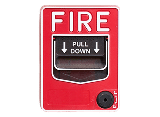
- Pull stations: Annual operation test with panel response verification
- Notification appliances: Annual test of all horns, strobes, and speakers
- Batteries and power supplies: Semiannual testing
- Waterflow and tamper switches: Semiannual testing
Inspections must be performed by qualified personnel with documented training. Many jurisdictions require NICET-certified technicians or state-licensed contractors. Building owners are responsible for maintaining records and making them available to the local fire marshal.
Why Does Professional Installation and Monitoring Matter?
A commercial fire alarm system is only as reliable as the company behind it. The difference between a professional integrator and a self-installed system can be a liability issue.
- Code-compliant design: A professional integrator designs the system to meet NFPA 72 placement and coverage requirements, which vary by ceiling height, room size, and occupancy type. A miscalculated layout means gaps in detection.
- UL-listed central station monitoring: UL certification requires annual audits of the monitoring facility’s operations, staffing, and signal processing. Insurance carriers and fire marshals recognize UL-listed stations as the standard for commercial monitoring. Self-monitored systems do not qualify.
- Documented inspection and testing: Professional service includes inspection reports that satisfy fire marshal requirements and insurance audits. Without these records, a building owner may face fines, higher premiums, or denied claims.
FAQs: Commercial Fire Alarm Systems
What does a commercial fire alarm system include?
A commercial fire alarm system includes detection devices, notification appliances (horns, strobes, speakers), a fire alarm control panel, central station monitoring, and integration with suppression systems like sprinklers or clean agent systems.
How often should commercial fire alarms be inspected?
NFPA 72 requires annual inspection and testing of most fire alarm components. Batteries and waterflow devices require semiannual testing. Smoke detector sensitivity testing is required within the first year and every alternate year after that.
What is the difference between a commercial and residential fire alarm?
Commercial systems use addressable technology, building-wide notification, 24/7 central station monitoring, and a networked control panel. Residential systems rely on standalone battery-powered detectors with local-only alerts and no professional monitoring.
Does Connecticut require fire alarm inspections for commercial buildings?
Yes. Connecticut’s State Fire Safety Code references NFPA standards that require periodic inspection, testing, and maintenance of commercial fire alarm systems. Building owners must maintain inspection records for the local fire marshal.
What is UL-listed central station monitoring?
UL-listed central station monitoring means the monitoring facility has been audited for compliance with operational, staffing, and signal-handling standards. Insurance carriers and fire officials recognize UL-listed stations as the benchmark for commercial monitoring.
How much does a commercial fire alarm system cost?
Cost depends on building size, floor count, device quantity, suppression integration, and whether the system is new or a retrofit. AST provides free site assessments to scope the right configuration for your building.
Get a Commercial Fire Alarm Assessment for Your Connecticut Business
Advanced Security Technologies installs, inspects, and monitors commercial fire alarm systems for businesses across Connecticut.
- Fire alarm design and installation for offices, warehouses, healthcare facilities, and multi-tenant buildings
- NFPA 72-compliant inspection and testing programs
- UL-listed 24/7 central station monitoring with emergency dispatch
- Suppression system integration with sprinklers and clean agent systems
- Ongoing support from AST’s Shelton, CT headquarters
Contact AST today to schedule a free site assessment and learn how a professionally installed fire alarm system protects your Connecticut business.