







Key Takeaways
- Fire alarm upgrades in 2026 should prioritize reliability, readiness for inspections, and risk reduction.
- Addressable fire alarm systems deliver faster response and simpler compliance.
- Intelligent smoke detection reduces false alarms and unnecessary disruptions.
- Centralized annunciation improves clarity and emergency response.
- Code-aligned monitoring supports compliance and dependable signal delivery.
- Inspection-ready reporting makes audits faster and easier.
- Power and backup upgrades ensure system operation during outages.
- Upgrades should be judged by measurable safety and performance results.
- A structured upgrade plan future-proofs Tri-State buildings for 2026.
In 2026, upgrading a fire alarm system isn’t about chasing the newest gadgets; it’s about inspection readiness, system reliability, and risk reduction.
For buildings across Connecticut and New York, the smartest upgrades are those that reduce false alarms, improve detection accuracy, simplify testing, and hold up in real-world conditions.
When I evaluate fire alarm upgrades for buildings in Connecticut and New York, I focus on one question:
Will this system perform consistently, document compliance clearly, and protect occupants without unnecessary disruptions?
In this post, I provide a ranked list of the fire alarm system upgrades that matter most for Tri-State buildings heading into 2026, along with where they fit best and what to avoid during implementation.
1. Addressable Fire Alarm Systems (Highest Priority)
If you’re still running a conventional fire alarm system, this is the first upgrade I recommend in 2026.
Addressable systems provide precise location information for alarms, making emergency response faster and more efficient, reducing potential damage and risk. They also enable easier maintenance, flexible zone configuration, and improved false-alarm management, delivering better safety and operational reliability.
Why It Matters
Addressable systems identify exact device locations, not just zones. This precision means the responder knows precisely where to go, even in large or complex facilities. This level of detail is crucial during emergencies. Having the exact location provides many benefits, including:
- Speeds up emergency response
- Reduces investigation time during alarms
- Simplifies inspections and documentation
- Improves long-term reliability
For inspectors in Connecticut and New York, addressability makes compliance verification faster and clearer, especially in larger or multi-use buildings.
Ideal Building Fit
These upgraded fire alarm systems are especially beneficial for buildings where safety, rapid response, and efficient management are top priorities, including.
- Commercial offices
- Schools and universities
- Healthcare facilities
- Multi-tenant properties
- Industrial and warehouse sites
Common Mistakes to Avoid in Addressable Fire Alarm Systems
- Underestimating reprogramming time during retrofits
- Poor device labeling that defeats the purpose of addressability
- Mixing incompatible legacy devices
2. Intelligent Smoke Detection to Reduce False Alarms
False alarms remain one of the biggest operational headaches for building owners and authorities. Data from The Urban Institute found that around 90% of calls from fire alarm and security systems are false alarms.
In 2026, intelligent detection is no longer optional; it’s expected.
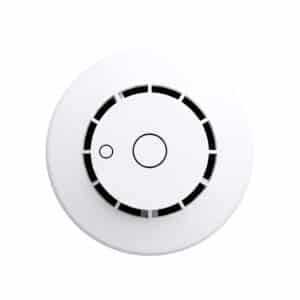
Modern intelligent detectors use advanced sensors and algorithms to distinguish real threats from harmless sources such as steam, dust, or cooking smoke. This reduces unnecessary disruptions and lowers maintenance costs by reducing the frequency of emergency responses to non-events.
Why It Matters
Frequent false alarms can erode trust in your safety systems, causing costly interruptions and potentially dangerous complacency. Modern fire alarm systems use multi-criteria detection (smoke, heat, and environmental data) to:
- Distinguish real fire conditions from dust, steam, or cooking vapors
- Reduce nuisance alarms that disrupt occupants and operations
- Improve long-term detector reliability
This is especially valuable in Connecticut and New York buildings where mixed-use layouts, older infrastructure, and seasonal humidity can cause detection challenges.
Ideal Building Fit
Intelligent smoke detection systems are particularly valuable in environments where traditional alarms misfire, or where occupant safety and business continuity are absolutely critical.
- Hospitals and clinics
- Hotels and residential-style occupancies
- Kitchens and dining facilities
- Older buildings with airflow challenges
Common Mistakes with Intelligent Smoke Detection
- Leaving factory sensitivity settings unchanged
- Failing to re-baseline detectors after renovations
- Assuming “smart” detectors eliminate the need for maintenance (they don’t)
3. Centralized Annunciation and Remote Visibility
A fire alarm system’s true value lies in its ability to communicate information clearly and rapidly to all building occupants and emergency personnel. This is critical for swift, informed responses.
Centralized annunciators and remote monitoring platforms bridge communication gaps and make sure critical alerts reach the right people instantly, whether they are on-site or off-site. This capability streamlines emergency management, reduces confusion, and can improve overall safety outcomes during high-stress situations.
Why It Matters
Upgraded annunciator panels and remote visibility tools provide instant, location-specific alerts and system status updates. These enhancements help facility teams, building occupants, and emergency responders react quickly and confidently.
- Provide clear, real-time system status
- Speed decision-making during emergencies
- Improve coordination with first responders
- Support faster troubleshooting during inspections
In larger Connecticut and New York facilities, centralized visibility is critical when security, facilities, and management teams share responsibility.
Ideal Building Fit
Facilities with complex layouts, multiple floors, or diverse occupancy types benefit most from centralized annunciation and remote visibility solutions in emergencies.
- Corporate campuses
- High-rise buildings
- Healthcare and education
- Large retail or mixed-use properties
Common Mistakes with Centralized Annunciation and Remote Visibility
- Placing annunciators in low-visibility locations
- Overloading screens with unnecessary data
- Not training staff on interpretation and response
4. Code-Aligned Monitoring and Communication Upgrades
With the growing complexity of building systems, maintaining compliance and connectivity is more important than ever in fire alarm systems. Monitoring expectations continue to evolve, and buildings need to place a strong emphasis on reliable communication paths.
Why It Matters
Modern fire alarm systems should prioritize ongoing compliance with the latest codes for safety, compliance, and regulatory requirements for different property types. This helps with:
- Redundant communication paths
- Faster signal transmission
- Better fault reporting
- Alignment with AHJ and code expectations
For Connecticut and New York properties, reliable monitoring supports inspection readiness and reduces the risk of delayed emergency response.
Ideal Building Fit
Reliable code-compliant monitoring and communication upgrades are especially critical for facilities where downtime or missed alarms carry significant risk.
- Any monitored commercial building
- Properties with prior communication failures
- Remote or multi-site operations
Common Mistakes with Code-Aligned Monitoring
- Relying on a single communication path
- Not documenting signal testing results
- Overlooking monitoring contract reviews during upgrades
5. Inspection-Ready Reporting and Testing Tools
In 2026, inspection readiness isn’t just about passing; it’s about proving compliance efficiently.
With increasing regulatory scrutiny and digital recordkeeping, seamless documentation and streamlined testing processes are now essential for facilities of all sizes. Advanced tools help make sure you’re always prepared for audits, minimize paperwork headaches, and reduce the risk of costly violations or insurance complications.
Why It Matters
Upgraded fire alarm systems aren’t just about compliance. A next-gen fire alarm system can also improve operational efficiency, occupant safety, and provide peace of mind during inspections or emergency events.
- Digital inspection records
- Crystal clear device histories
- Faster testing workflows
- Easier trend analysis for recurring issues
This reduces downtime, shortens inspection visits, and lowers long-term maintenance costs.
Ideal Building Fit
Inspection-ready reporting and testing tools are particularly important for organizations subject to frequent audits, strict documentation requirements, or complex regulatory environments involving multiple stakeholders and locations.
- Healthcare and regulated facilities
- Government buildings
- Schools and universities
- Multi-location organizations
Common Mistakes with Reporting
- Failing to standardize documentation practices
- Not backing up inspection data
- Treating reporting as optional rather than operationally essential
6. Power Supply and Backup Enhancements
Fire alarm systems are only as reliable as their power sources.
Updated standards and increased system complexity demand high-level backup solutions to guarantee uninterrupted protection, even during extended outages or emergencies. Upgrading components and supervisory monitoring improves overall reliability.
Why It Matters
Upgraded power and backup solutions are essential to make sure fire alarm systems remain operational during blackouts, severe weather, or infrastructure failures, providing continuous protection and peace of mind, with the goals to:
- Improve resilience during outages
- Support longer standby times
- Reduce system faults related to aging batteries
- Increase confidence during storms and grid disruptions
This is especially relevant in Connecticut and New York, where winter weather and aging infrastructure can put extra stress on power systems.
Ideal Building Fit
Facilities that require 24/7 reliability or face higher risks from power interruptions benefit most from proper backup power, especially in unpredictable environments or legacy infrastructure scenarios.
- Critical facilities
- Coastal or storm-prone locations
- Older buildings with legacy power systems
Common Mistakes with Backup Power Systems
- Ignoring battery replacement schedules
- Undersizing backup capacity
- Skipping load testing during upgrades
Frequently Asked Questions About Fire Alarm System Upgrades for 2026
1) Do older fire alarm systems need to be replaced, or can they be upgraded?
Many systems can be partially upgraded, but conventional systems can significantly limit inspection efficiency and reliability. While component upgrades may extend system life, a complete upgrade is usually the better long-term investment for compliance, future-proofing, and maximizing occupant safety.
2) How often should fire alarm systems be tested?
Testing frequency depends on device type and local requirements, but regular testing and documented inspections are essential for compliance in Connecticut and New York. Most systems require monthly visual checks and complete testing annually, which helps with readiness and reduces liability.
3) Will intelligent detection eliminate false alarms?
No system eliminates false alarms. However, intelligent detection significantly reduces them when properly configured and maintained. Regular calibration, correct installation, and ongoing staff training are key to further minimizing nuisance alarms and maintaining trust in the system.
4) Are upgrades required by code in 2026?
Codes are updated regularly. Even when upgrades aren’t strictly required, many are strongly recommended to meet inspection expectations and reduce risk. Insurance providers and local authorities may also require periodic updates to maintain coverage and regulatory approval.
Final Thoughts: Building Safer, Smarter Systems for 2026
For Tri-State buildings, the best fire alarm system upgrades in 2026 are those that deliver reliability, clarity, and confidence in inspections. When systems are addressable, intelligently detected, clearly annunciated, well-documented, and adequately powered, they protect people without creating operational friction.
If you’re evaluating your fire alarm system and want a clear, code-aligned upgrade path customized to your Connecticut or New York facility, the next step is straightforward.
Start by making a consultation with a fire alarm system provider to learn more about your options. My team at Advanced Security Technologies provides comprehensive support for commercial fire alarm systems, including guidance, design, installation, and support.
Send us a message to get a FREE quote.
Our Certifications
- GSA Advantage – Multiple Award Schedule (MAS):
AST holds a Multiple Award Schedule from the U.S. General Services Administration, enabling federal, state, and local government agencies to purchase AST products and services through streamlined procurement channels, including the GSA eCommerce website. - UL 2050 Certification:
As a UL 2050-certified provider, AST is authorized to issue UL 2050 certificates and service UL 2050 systems under its CRZH listing with Underwriters Laboratories. This certification is essential for the design, construction, and maintenance of Sensitive Compartmented Information Facilities (SCIFs) and Secure Access Program Facilities (SAPFs), and it meets Department of Defense standards for high-security environments. - State of Connecticut Supplier Diversity Program – Small / Minority Business Enterprise:
AST is recognized as a Woman-Owned Small / Minority Business Enterprise, helping property owners and contractors fulfill federal, state, and local government set-aside program requirements for construction and security projects. - State of Connecticut Electrical Limited Contractor:
AST is fully licensed as an Electrical Limited Contractor in Connecticut, ensuring compliance with state regulations for the installation and servicing of security and electrical systems.